
خانه / خبر / اخبار صنایع / موتورهای DC بدون جاروبک در مقابل براش: مقایسه ای عملی برای مهندسان و تیم های تدارکاتی


 زبان
زبان
صنعت کاربرد

AGV

روبات های خودکار

برش لیزر

مرتب سازی

نیروگاه فتوولتائیک

دستگاه های پزشکی
موتورهای DC بدون جاروبک در مقابل براش: مقایسه ای عملی برای مهندسان و تیم های تدارکاتی
موتورهای DC بدون جاروبک (BLDC). و موتورهای DC برس خورده هر دو موتور DC آهنربای دائمی هستند و هدف اصلی یکسانی دارند: تبدیل انرژی الکتریکی به حرکت مکانیکی چرخشی. اما فراتر از این هدف مشترک، آنها از طریق مکانیسمهای داخلی اساساً متفاوت به آن دست مییابند - و این تفاوتها در مکانیسم، ویژگیهای عملکرد، انتظارات عمر مفید، پروفایلهای کارایی و ساختارهای هزینهای را که هنگام انتخاب موتور مناسب برای یک کاربرد خاص مهم هستند، ایجاد میکند.
انتخاب همیشه واضح نیست. موتورهای بدون جاروبک هزینه اولیه بیشتری دارند اما اغلب هزینه کل مالکیت کمتری را در کاربردهای پرکاربرد ارائه می دهند. موتورهای برس دار برای راندن الکترونیکی ساده تر هستند اما نیاز به تعمیر و نگهداری دوره ای دارند. درک واضح مبادلات، به جای پیشفرض یک نوع به عنوان برتر جهانی، منجر به مشخصات بهتر و مشکلات کمتر در این زمینه میشود.
هر نوع موتور چگونه کار می کند
موتور DC برس خورده
در موتور DC برس خورده، روتور (جزء چرخان) سیم پیچ های آهنربای الکتریکی را حمل می کند و استاتور (جزء ثابت) آهنرباهای دائمی را حمل می کند. جریان از منبع خارجی از طریق برسهای کربنی جریان مییابد که به یک حلقه کموتاتور تقسیمبندی شده که روی شفت روتور نصب شده فشار میآورد. با چرخش روتور، بخشهای مختلف کموتاتور با برسها در تماس هستند و جهت جریان در سیمپیچهای روتور را در هماهنگی با موقعیت زاویهای روتور تغییر میدهند. این کموتاسیون مکانیکی تضمین می کند که نیروی الکترومغناطیسی روی روتور همیشه در یک جهت چرخشی عمل می کند و چرخش پیوسته ایجاد می کند.
برس ها و کموتاتور ویژگی تعیین کننده و محدودیت اصلی این طراحی هستند. آنها تماس الکتریکی را از طریق اصطکاک لغزشی حفظ می کنند، که باعث ایجاد گرما، ضایعات فرسایشی و نویز الکتریکی (جرقه در سطح کموتاتور) می شود. با گذشت زمان، برس ها فرسوده می شوند و باید تعویض شوند. سطح کموتاتور نیز ممکن است فرسوده یا آلوده شود. کنتاکت لغزنده همچنین مکانیزمی است که یک حد بالایی در سرعت کار و یک مسئله حساسیت به محیط ایجاد میکند - برسها در جوهای غبارآلود، مرطوب یا شیمیایی تهاجمی عملکرد متفاوتی دارند و جرقه زدن در محیطهای انفجاری خطراتی را ایجاد میکند.
موتور DC بدون جاروبک
در یک موتور DC بدون جاروبک، آرایش در مقایسه با موتور برس خورده معکوس است: آهنرباهای دائمی روی روتور و سیمپیچهای آهنربای الکتریکی روی استاتور قرار دارند. از آنجایی که سیمپیچها ثابت هستند، اتصال الکتریکی مستقیم به آنها ساده است - نیازی به تماس کشویی نیست. اما حذف کموتاتور مکانیکی یک نیاز جدید ایجاد می کند: کنترل کننده موتور باید به صورت الکترونیکی موقعیت روتور را تعیین کند و جریان را به فازهای سیم پیچ صحیح استاتور تغییر دهد تا چرخش مداوم را حفظ کند. این کموتاسیون الکترونیکی است و به یک کنترلر موتور (که به آن درایور یا ESC - کنترلکننده سرعت الکترونیکی نیز گفته میشود) با قابلیت بازخورد موقعیت، معمولاً از سنسورهای جلوه هال تعبیهشده در نزدیکی روتور یا از حسگرهای EMF عقب نیاز دارد.
حذف کموتاسیون مکانیکی مکانیزم سایش برس و کموتاتور را به طور کامل حذف می کند. هیچ ماده مصرفی برس کربنی برای جایگزینی وجود ندارد، هیچ کموتاتوری برای بیرون آمدن مجدد، و هیچ جرقه ای در تماس های الکتریکی وجود ندارد. اجزای اصلی سایش در موتور بدون جاروبک یاتاقان ها هستند و یاتاقان هایی با اندازه مناسب که با بار و سرعت مناسب کار می کنند می توانند عمر مفید بسیار طولانی داشته باشند.
کارایی: جایی که تفاوت بیشتر است
موتورهای DC برس خورده معمولاً بازدهی 75 تا 85 درصد را در نقطه عملیاتی طراحی خود به دست می آورند. تلفات راندمان از چندین منبع ناشی می شود: مقاومت در برابر تماس برس، که مقداری انرژی الکتریکی را مستقیماً به گرما در رابط برس-کموتاتور تبدیل می کند. تلفات مس در سیم پیچ های روتور (گرمایش مقاومتی متناسب با مربع جریان)؛ و اصطکاک مکانیکی در خود تماس برس-کموتاتور. تلفات برس بدون توجه به بار ثابت می شود. تلفات مس با جریان (بار) افزایش می یابد. نتیجه یک منحنی بازده است که در یک بار خاص به اوج خود می رسد و هم در بار سبک و هم در بار اضافه کاهش می یابد.
موتورهای DC بدون جاروبک معمولاً بازدهی 85 تا 95 درصد را در نقطه کار طراحی خود به دست می آورند. بدون مقاومت تماس برس و اصطکاک مکانیکی کموتاتور، تلفات اصلی راندمان تلفات مس در سیمپیچهای استاتور و تلفات آهن در هسته استاتور است. موتورهای BLDC را میتوان برای منحنی بازدهی مسطحتر در محدوده سرعت و بار وسیعتر نسبت به موتورهای برسکشی طراحی کرد، به همین دلیل است که آنها در کاربردهایی که موتور در طول چرخه کاری گسترده کار میکند ترجیح داده میشوند - ابزارهایی که با باتری کار میکنند، درایوهای صنعتی با سرعت متغیر، سیستمهای درایو AGV.
در برنامه های کاربردی با باتری، تفاوت کارایی مستقیماً با زمان کارکرد در ظرفیت باتری ثابت متناسب است. یک موتور BLDC با راندمان 90 درصد در مقابل یک موتور برس خورده با راندمان 80 درصد که همان توان مکانیکی خروجی را می کشد، 11 درصد انرژی الکتریکی کمتری مصرف می کند - زمان کار را تقریباً به همان نسبت افزایش می دهد. در طول هزاران چرخه در یک ربات AGV یا متحرک، این مزیت کارایی یک عامل هزینه عملیاتی معنادار است.
عمر سرویس و نگهداری
اینجاست که مورد عملی موتورهای BLDC در کاربردهای صنعتی پرمصرف قانعکنندهترین مورد است. موتورهای DC برس خورده به بازرسی و تعویض برس در فواصل منظم نیاز دارند - معمولاً هر 1000 تا 5000 ساعت کارکرد بسته به اندازه موتور، بار و مواد برس. همچنین ممکن است کموتاتور به تمیز کردن دوره ای یا روکش مجدد نیاز داشته باشد. در کاربردهایی که موتور در دسترس است و تعویض آن معمول است، این تعمیر و نگهداری قابل مدیریت است. در کاربردهایی که موتور در مکانیزم مهر و موم تعبیه شده است، دسترسی به آن دشوار است، یا در محیط تمیز یا کنترل شده ای کار می کند که فعالیت تعمیر و نگهداری به خطر می افتد، جایگزینی برس یک بار عملیاتی قابل توجه است.
موتورهای DC بدون جاروبک جز یاتاقان ها هیچ جزء سایش ندارند. طول عمر بلبرینگ از روی بار، سرعت و مشخصات روغنکاری قابل محاسبه است - معمولاً 10000 تا 30000 ساعت برای یاتاقانهای باکیفیت در بارهای مناسب و طولانیتر در کاربردهای کم بار. در یک سیستم محرک BLDC که به خوبی طراحی شده است، طول عمر موتور در بسیاری از کاربردها به جای یک آیتم بازه تعمیر و نگهداری، عملاً عمر عملیاتی تجهیزات است. این امر BLDC را برای سیستمهای مهر و موم شده، محیطهای اتاق تمیز، دستگاههای پزشکی و کاربردهای صنعتی با چرخه کاری بالا انتخاب مناسبی میکند که در آن زمان توقف برنامهریزی نشده برای تعویض برس غیرقابل قبول است.
مشخصات سرعت و گشتاور
موتورهای DC برس دار یک رابطه سرعت-گشتاور خطی مشخصه دارند: با افزایش گشتاور بار، سرعت به طور متناسب کاهش می یابد. بدون بار، موتور با سرعت کار آزاد خود کار می کند (فقط توسط back-EMF محدود شده است). در حالت استال، موتور حداکثر گشتاور را در سرعت صفر (گشتاور استال) ایجاد می کند در حالی که حداکثر جریان را می کشد. این رابطه قابل پیش بینی کنترل سرعت و گشتاور را از طریق تنظیم ساده ولتاژ ساده می کند.
تماس برس-کموتاتور حداکثر سرعت عملکرد را محدود می کند - در سرعت های بالا، رابط برس-کموتاتور سایش سریع، گرم شدن کموتاتور و در نهایت جهش برس را تجربه می کند (برس از سطح کموتاتور بلند می شود و جریان را قطع می کند). حداکثر سرعت عملی برای موتورهای برس خورده از حدود 5000 تا 10000 دور در دقیقه برای طرح های استاندارد متغیر است. موتورهای برس دار با سرعت بالا می توانند از این فراتر بروند اما به مواد برس تخصصی و طراحی کموتاتور نیاز دارند.
موتورهای DC بدون جاروبک میتوانند با سرعتهای بسیار بالاتری نسبت به موتورهای برسدار هم اندازه کار کنند، زیرا محدودیت سرعت کموتاتور وجود ندارد. موتورهای کوچک BLDC در کاربردهایی که به 50000 تا 100000 دور در دقیقه نیاز دارند (دریل های دندانپزشکی، دوک های توربوشارژر، درایوهای دوکی دقیق) استفاده می شود. در انتهای سرعت پایینتر، موتورهای BLDC میتوانند گشتاور بالایی را در سرعتهای بسیار پایین ایجاد کنند که توسط یک کنترلکننده توانا به حرکت در میآیند - آنها مشخصه «پایان جریان توقف» موتورهای برسخورده را ندارند، زیرا کنترلکننده جریان را به صورت الکترونیکی محدود میکند.
پیچیدگی و هزینه درایور
کنترل موتورهای DC برس دار به طور قابل توجهی ساده تر از موتورهای BLDC هستند. از آنجایی که کموتاسیون مکانیکی و اتوماتیک است، موتور را نمی توان با چیزی بیشتر از یک منبع ولتاژ DC و یک کلید ساده کار کرد. کنترل سرعت از طریق کنترل ولتاژ (PWM یا تنظیم ولتاژ) به دست میآید، و معکوس کردن جهت فقط به تغییر قطبیت نیاز دارد. برای برنامههایی که سادگی کنترل و هزینه پایین کنترلکننده در اولویت هستند - محرکهای ساده، وسایل کمهزینه، برنامههایی با حداقل سرعت یا نیازهای بازخورد موقعیت - موتورهای برسکاری شده هزینه کل سیستم کمتری را علیرغم نیاز به نگهداری بالاتر ارائه میکنند.
موتورهای DC بدون جاروبک به یک کنترلر موتور الکترونیکی اختصاصی نیاز دارند که سوئیچینگ فاز، کنترل جریان و معمولاً تفسیر بازخورد موقعیت را ارائه می دهد. این کنترلر هزینه (از حدود 10 تا 15 دلار برای درایورهای سه فاز BLDC ساده تا صدها دلار برای درایوهای سروو با کارایی بالا)، پیچیدگی به صورتحساب مواد و حالت خرابی اضافی بالقوه (شکست کنترل کننده، علاوه بر خرابی موتور) اضافه می کند. برای کاربردهای با کارایی بالا یا چرخه کاری بالا که مزایای عملکرد BLDC سرمایه گذاری را توجیه می کند، این پیچیدگی در طراحی سیستم جذب می شود. برای کاربردهای ساده و حساس به هزینه با چرخه کاری کم، ممکن است اینطور نباشد.
خلاصه مقایسه مستقیم
| اموال | موتور DC برس خورده | موتور DC بدون جاروبک (BLDC) |
|---|---|---|
| روش کموتاسیون | مکانیکی (کموتاتور برس) | الکترونیکی (سنسور موقعیت کنترلر) |
| کارایی (معمولی) | 75-85٪ | 85-95٪ |
| عمر سرویس | محدود به سایش برس (1000 تا 5000 ساعت تا تعویض برس) | محدود به طول عمر یاتاقان (معمولاً 10000-30000 ساعت) |
| نیاز به نگهداری | تعویض دوره ای برس و بازرسی کموتاتور | حداقل - روانکاری بلبرینگ فقط در اکثر طرح ها مورد نیاز است |
| حداکثر سرعت عملیات | محدود شده توسط جابجایی براش (5000-10000 دور در دقیقه استاندارد) | بالاتر - بدون محدودیت سرعت کموتاتور. 50000 دور در دقیقه امکان پذیر است |
| کنترل پیچیدگی | ساده - ولتاژ مستقیم DC. بدون نیاز به کنترل | پیچیده - به یک کنترل کننده 3 فاز با منطق کموتاسیون نیاز دارد |
| هزینه کنترلر | پایین - کنترل ساده سرعت PWM | بالاتر - درایور اختصاصی BLDC مورد نیاز است |
| هزینه واحد موتور | پایین تر - ساخت ساده تر | سنسورهای موقعیت بالاتر - ساخت دقیق تر |
| نویز الکتریکی / EMI | بالاتر - جرقه برس باعث ایجاد تداخل RF می شود | پایین - بدون جرقه؛ نویز سوئیچینگ PWM قابل کنترل است |
| مناسب برای محیط های مهر و موم شده/تمیز | محدود - زباله های فرسوده برس، به راحتی نمی توانند آب بندی شوند | عالی - بدون مواد سایش داخلی؛ کاملا قابل آب بندی |
| مناسب برای اتمسفرهای انفجاری | توصیه نمی شود - جرقه زدن برس خطر اشتعال است | قابل قبول با رتبه IP مناسب |
| بهترین برای | چرخه کار کم، حساس به هزینه، کنترل ساده، تعمیر و نگهداری در دسترس | چرخه کاری بالا، باطری تغذیه، مهر و موم شده، با سرعت بالا، عمر طولانی |
کدام نوع را برای برنامه های رایج مشخص کنید
برای سیستم های محرک AGV و روبات های متحرک مستقل، موتورهای دنده DC بدون جاروبک انتخاب استاندارد هستند. چرخه وظیفه در عملیات مستمر انبار یا کف کارخانه زیاد است. راندمان باتری برای زمان اجرا بین شارژ اهمیت زیادی دارد. سیستم محرک معمولاً در برابر محیط کارخانه آب بندی می شود. و زمان تعمیر و نگهداری برنامه ریزی نشده برای تعویض برس در زمینه تولید غیرقابل قبول است. موتورهای BLDC با گیربکس های سیاره ای یکپارچه به همه این دلایل به مشخصات پیش فرض برای کاربردهای جدی درایو AGV تبدیل شده اند.
برای محصولات مصرفی کمهزینه و محرکهای ساده - اسباببازیها، وسایل کوچک، محرکهای کنترلی کماستفاده، کاربردهای OEM حساس به هزینه - موتورهای DC برس خورده در جایی که چرخه کار کم است، محیط عملیاتی خوشخیم است، و هزینه کل سیستم، از جمله درایور موتور، مهم است. یک موتور برس خورده با یک درایور ساده H-bridge و بدون بازخورد موقعیت نسبت به یک موتور BLDC با درایور 3 فاز اختصاصی، هزینه کمتری از مواد دارد و برای برنامهای که چند دقیقه در روز کار میکند، مزیت عمر مفید BLDC هرگز عملی نمیشود.
برای تجهیزات اتوماسیون دقیق - اتصالات رباتیک، درایوهای محور CNC، سیستمهای موقعیتیابی نوری، محرکهای دستگاههای پزشکی - سروموتورهای بدون جاروبک با بازخورد رمزگذار ترکیبی از کارایی، کنترلپذیری و عمر مفید مورد نیاز برنامههای کاربردی دقیق را فراهم میکنند. هزینه اضافی موتور و درایور به راحتی با الزامات عملکرد قابل توجیه است.
سوالات متداول
آیا می توان از یک موتور DC بدون جاروبک به عنوان جایگزین مستقیم موتور برس خورده در طراحی موجود استفاده کرد؟
از نظر مکانیکی، معمولاً یک موتور BLDC را می توان طوری ساخت که در همان فضای یک موتور برس خورده با توان معادل قرار گیرد - اما تعویض کنترلر بی اهمیت است. موتور برس خورده ای که با منبع DC ساده کار می کند را نمی توان با موتور BLDC روی همان منبع جایگزین کرد، بدون افزودن یک کنترل کننده موتور BLDC، که به ظرفیت منبع تغذیه، رابط کنترل و اغلب یکپارچه سازی سیستم عامل در سیستم کنترل دستگاه نیاز دارد. خود موتور اغلب قسمت کوچکتر کار مهندسی است. یکپارچه سازی کنترلر، راه اندازی بازخورد موقعیت و تنظیم پارامترهای کنترل تلاش بیشتری است. جایگزینی مستقیم BLDC به جای براش امکان پذیر است، اما برای طراحی مجدد الکترونیک درایو به زمان مهندسی نیاز دارد – این یک تعویض جزء ساده نیست.
آیا موتورهای DC بدون جاروبک به سنسورهای جلوه هال نیاز دارند یا می توانند بدون آنها کار کنند؟
سنسورهای اثر هال در موتور، بازخورد موقعیت روتور را ارائه میکنند که کنترلکننده برای کموتاسیون در هنگام راهاندازی و سرعت کم استفاده میکند، زمانی که back-EMF برای ارائه سیگنال موقعیت قابل اطمینان بسیار کوچک است. کنترل BLDC بدون حسگر - با استفاده از حسگر Back-EMF برای کموتاسیون - در سرعتهای متوسط و بالا به خوبی کار میکند، اما در راهاندازی مطمئن تحت بار، بهویژه در برنامههای با بار متغیر، مشکل دارد. موتورها و کنترلکنندههایی که برای کاربردهایی که نیاز به راهاندازی مطمئن در بار دارند (درایوهای AGV، درایوهای نوار نقاله، هر برنامهای که باید تحت بار کامل راهاندازی شود) در نظر گرفته شدهاند، معمولاً از سنسورهای هال برای عملکرد راهاندازی قوی استفاده میکنند. BLDC بدون سنسور در برنامههایی که بدون بار یا با سرعت کنترلشده شروع میشوند (پنکهها، برخی پمپها)، که در آن مشکل کموتاسیون سرعت صفر ایجاد نمیشود، بیشتر رایج است. برای موتورهای دنده ای که در آن کاهش دنده، گشتاور خروجی بالایی را از حالت سکون تولید می کند، به طور کلی قابلیت اطمینان شروع کار حسگر ترجیح داده می شود.
تفاوت حرارتی بین موتورهای براش و براشلس در سطوح توان معادل چیست؟
موتورهای برس شده گرما را در دو مکان تولید میکنند: سیمپیچهای روتور (تلفات مس ناشی از جریان بار) و رابط برس-کموتاتور (گرمایش مقاومت در برابر اصطکاک و تماس). گرمای روتور باید از طریق شکاف هوا به محفظه موتور و سپس به محیط اطراف منتقل شود - یک مسیر حرارتی نسبتاً ناکارآمد زیرا روتور به طور مکانیکی از محفظه توسط شکاف هوا جدا می شود. موتورهای بدون جاروبک گرما را عمدتاً در سیمپیچهای استاتور تولید میکنند (استاتور ثابت است و مستقیماً با محفظه موتور در تماس است)، که مسیر حرارتی بسیار مستقیمتری را از منبع گرما به محیط خارجی فراهم میکند. برای همان توان ورودی و تلفات، یک موتور BLDC معمولاً خنکتر از موتورهای برس کار میکند، زیرا گرما در جایی تولید میشود که میتوان آن را به طور مؤثرتری دفع کرد. این تفاوت در کاربردهای با چگالی توان بالا که مدیریت حرارتی یک محدودیت طراحی است، قابل توجه است - موتورهای BLDC می توانند نسبت به اندازه فیزیکی خود نسبت به موتورهای برس خورده معادل قبل از رسیدن به محدودیت های حرارتی، با شدت بیشتری بارگیری شوند.
موتورهای دنده DC بدون جاروبک | موتورهای دنده DC برس خورده | موتور دنده سیاره ای | محصولات پروژه AGV | تماس با ما
محصولات مرتبط
-

این موتور دنده AC القایی 6W یک موتور کوچک کارآمد ، جمع و جور و قابل اعتماد برای طیف گسترده ای از کاربردهای صنعتی و خانگی است. قاب عکس 60 میلی متر x 60 میلی متر باعث می شود نصب در محیط های محدود شده...
جزئیات $ $ $ را مشاهده کنید -
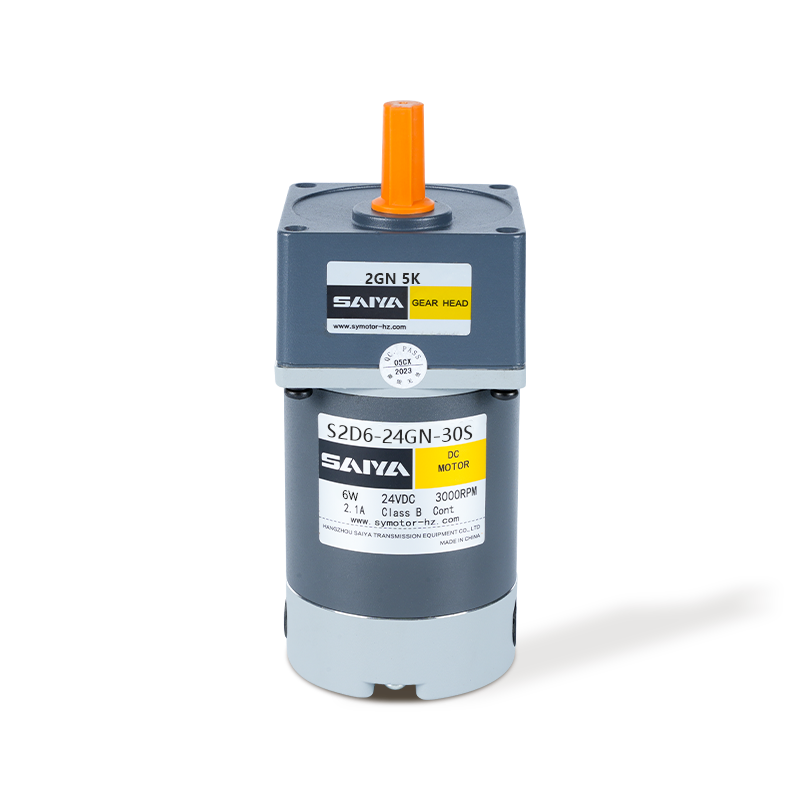
موتور 6W Brush DC Gbear برای کارآیی و تطبیق پذیری ، مناسب برای کاربردهای مختلف طراحی شده است. با اندازه قاب جمع و جور 60mm x 60 میلی متر ، یکپارچه در فضاهای تنگ قرار می گیرد. این موتور در محدوده ول...
جزئیات $ $ $ را مشاهده کنید -
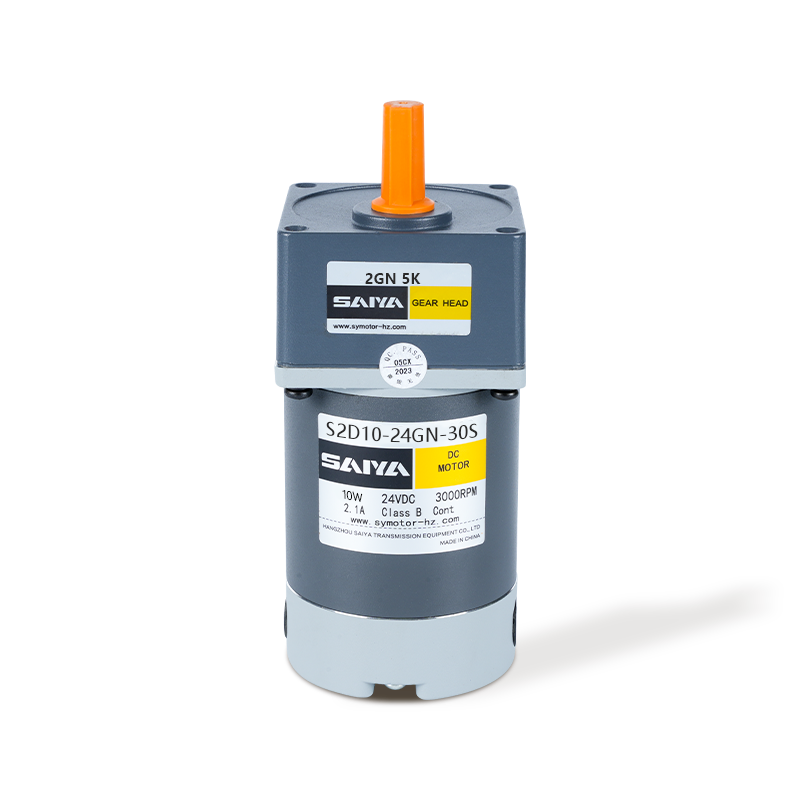
موتور 10W Brush DC Gear Motor برای طیف وسیعی از کاربردهای صنعتی و سرگرمی با کارایی و سازگاری بالایی برخوردار است. این موتور با داشتن اندازه قاب 60 میلی متر x 60 میلی متر ، به گونه ای طراحی شده است ...
جزئیات $ $ $ را مشاهده کنید -
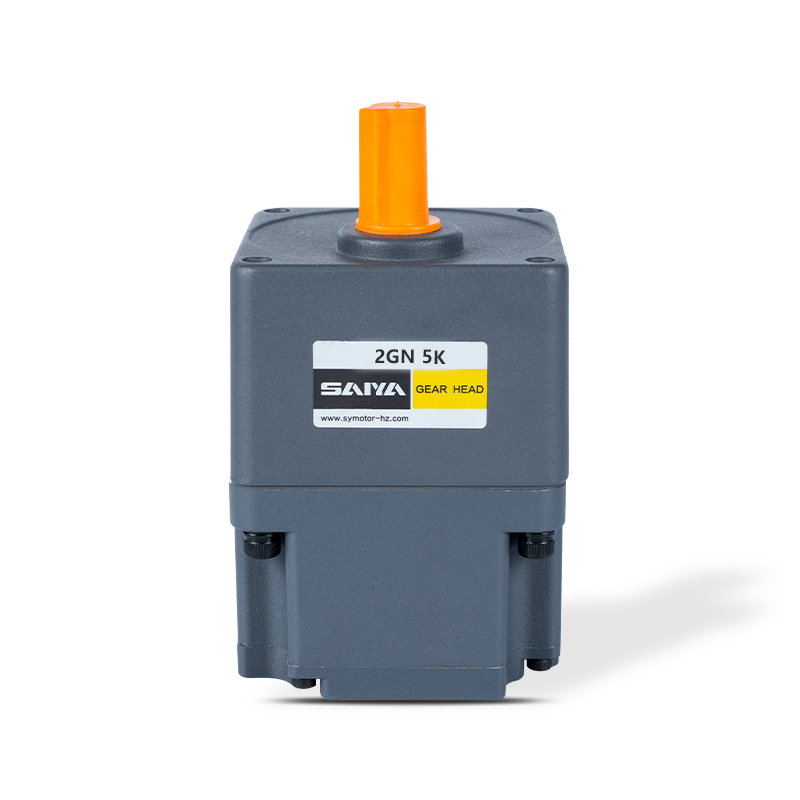
موتور دنده بدون برس 24 ولت یک موتور همه کاره و کارآمد است که برای طیف وسیعی از برنامه ها طراحی شده است. این موتور با ابعاد از 60mm x 60mm تا 104mm x 104mm ، می تواند در اندازه تجهیزات مختلف قرار بگ...
جزئیات $ $ $ را مشاهده کنید -
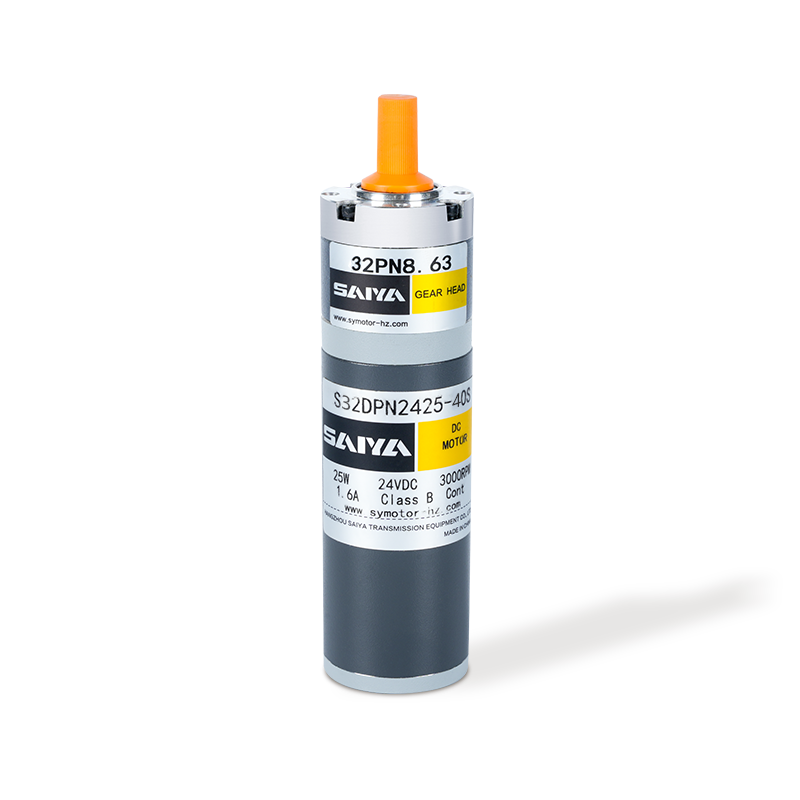
موتور چرخ دنده سیاره ای 32 میلی متری یک راه حل جمع و جور و کارآمد است که برای کاربردهای مختلفی که نیاز به گشتاور بالا و کنترل دقیق دارند ، طراحی شده است. با قطر 32 میلی متر ، این موتور از نظر ایده ...
جزئیات $ $ $ را مشاهده کنید -

موتور دنده سیاره ای 42 میلی متری یک مؤلفه همه کاره و کارآمد است که به طور گسترده در برنامه های مختلف مورد استفاده قرار می گیرد و نیاز به گشتاور دقیق و کنترل سرعت دارد. این موتور با داشتن جریان دارا...
جزئیات $ $ $ را مشاهده کنید -

موتور دنده سیاره ای بدون برس 32 میلی متری یک راه حل با کارایی بالا و جمع و جور برای برنامه های کاربردی است که نیاز به کارآیی و قابلیت اطمینان دارند. این موتور با استفاده از ولتاژ دارای امتیاز 24 ول...
جزئیات $ $ $ را مشاهده کنید -

موتور سیاره ای بدون برس 42 میلی متری یک محصول حرکتی با راندمان بالا است که به طور گسترده در سناریوهای مختلفی که نیاز به انتقال دقیق دارند استفاده می شود. جریان امتیاز این موتور 1.3A و گشتاور رتبه ب...
جزئیات $ $ $ را مشاهده کنید -

جعبه دنده های سری SPE ، محدوده اندازه فلنج با مدل های 40 ، 60 ، 80 ، 120 و 160 مدل ، برای ارائه راه حل های انتقال قدرت کارآمد و قوی طراحی شده است. این گیربکس ها دارای یک فلنج خروجی گرد هستند و باعث...
جزئیات $ $ $ را مشاهده کنید -
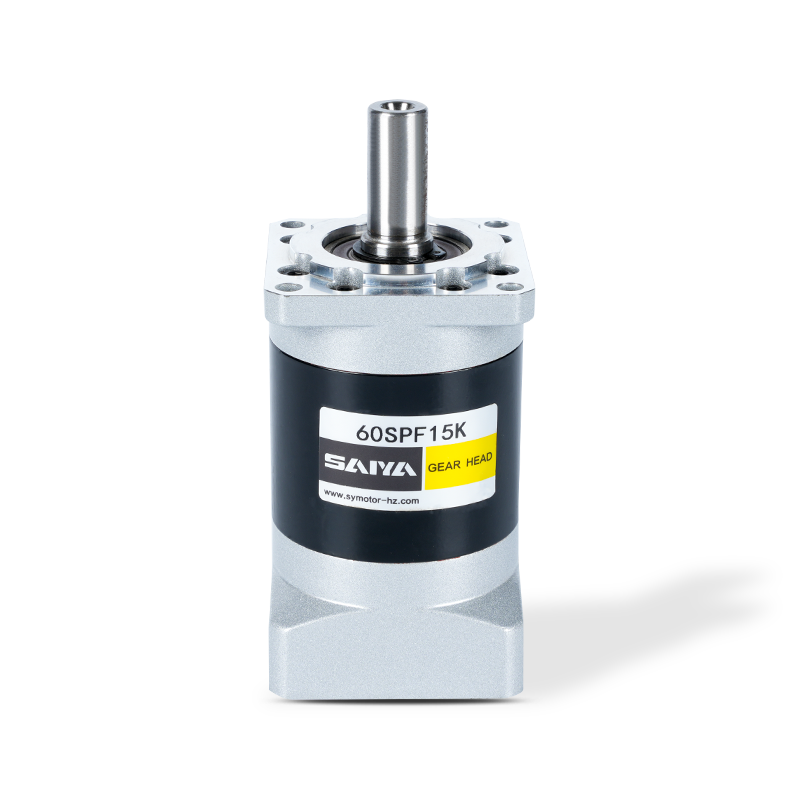
سری SPF با فلنج های خروجی مربع وجود دارد که ابعاد آن از 40 میلی متر تا 160 میلی متر است. این فلنج ها برای برتری در کاربردهای مختلف صنعتی طراحی شده اند و عملکرد قابل اعتماد را در طیف مورد نیاز ارائه...
جزئیات $ $ $ را مشاهده کنید -
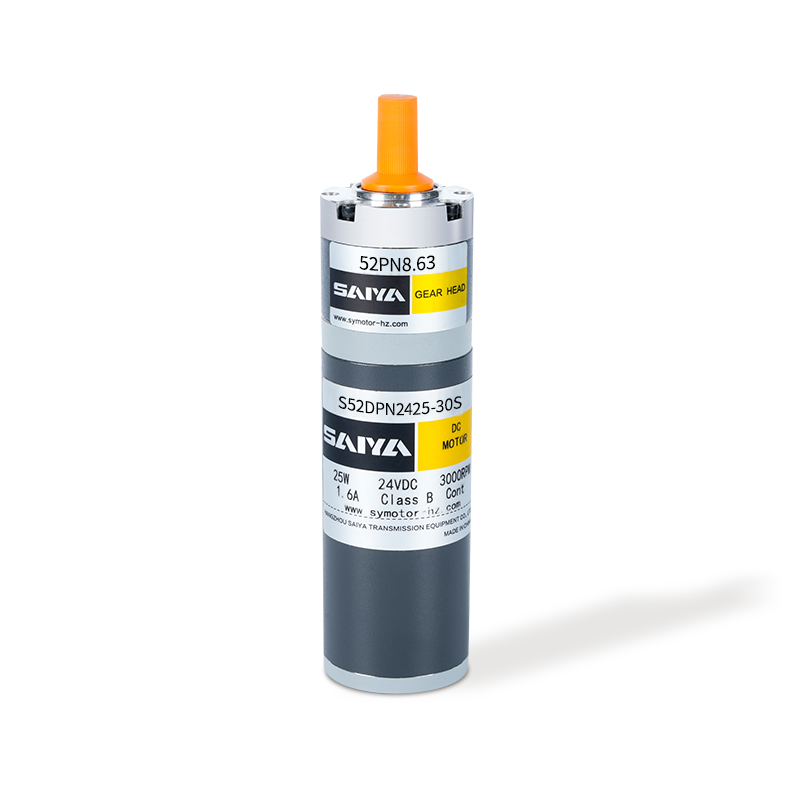
موتور چرخ دنده سیاره ای 52 میلی متری یک راه حل جمع و جور و کارآمد است که برای کاربردهای مختلفی که نیاز به گشتاور بالا و کنترل دقیق دارند ، طراحی شده است. با قطر 52 میلی متر ، این موتور از نظر ایده ...
جزئیات $ $ $ را مشاهده کنید -

موتور دنده سیاره ای 62 میلی متری یک مؤلفه همه کاره و کارآمد است که به طور گسترده در برنامه های مختلف مورد استفاده قرار می گیرد و نیاز به گشتاور دقیق و کنترل سرعت دارد. با داشتن جریان دارای امتیاز ا...
جزئیات $ $ $ را مشاهده کنید
جزئیات تماس
- TEL: 0086-0571-86951513/86951543
- Fax: 0086-571-86040769
- E-mail: [email protected] / [email protected] / [email protected]
- دفتر: شرکت تجهیزات Transmisson Hangzhou Saiya ، Ltd
- Office Address: اتاق 2201 ، ساختمان Wanyin ، شهر Hangzhou ، استان ژجیانگ
- کارخانه: شرکت تولید هوشمند ژجیانگ سایا ، آموزشی ویبولیتین.
- Factory Address: ساختمان شماره 35 ، پارک صنعتی Zhongnan با تکنولوژی بالا Zhigu ، شهر Xinan ، شهرستان Deqing ، شهر Huzhou ، Zhejiang ، چین
لینک سریع
محصول
اگر مورد علاقه قرار بگیرید
در محصولات ما ،
لطفا با ما مشورت کنید
Copyright © شرکت تولید هوشمند ژجیانگ سایا ، آموزشی ویبولیتین All Rights Reserved.
موتورهای کاهش دنده سفارشی $ $ $
